Popular on EntSun
- Systemores Launches Fork: Web-Native Interactive Video Engine Debuts With Thriller 'The Hollow' - 540
- Russ Lorenson Announces "What I Want For Christmas (20th Anniversary Edition)" - 443
- HSS Medical Supply Celebrates One-Year Anniversary of Its Top Performing Sales Team - 429
- Wordeee Publishes The Designer's Path by Felita Harris - 428
- SecureMaine 2026 is Here -- Thursday October 8th! - 427
- Tulsa Air & Space Museum Launches "Give $16 for the F-16" Challenge to Bring Thunderbird Home for Veterans Day - 404
- Captiva Cruises offers sunset voyage to Oct. 24 Swashbuckler's Ball on North Captiva - 393
- Claude Zdanow named Managing Director in Miami, Florida - 391
- Geospatial Innovation Comes to Sacramento: FOSS4G NA 2026 - 377
- Citizens for West Virginia Election Integrity Urges "FOR" on Amendment 1 - 353
Similar on EntSun
- Longevity Academy Features Gail Humble, MD of KLOTHO SKIN in the Longevity Leaders Project
- Expanding Into Medically Supervised Wellness With Major Apollo Wellness Centers Announcement; Sibannac, Inc. (Stock Symbol: SNNC)
- EMBER™ Unveils the Workplace Identity Score™ (WIS™), the First Standard for Measuring Workplace Impact on Workforce Performance & Business Growth
- Preston Dermatology & Skin Surgery Center and Dr. Sheel Desai Solomon Win Gold in Raleigh's Best Awards for Second Consecutive Year
- We are Talker Study: 64% of AI Users Have Bought From a Brand AI Introduced, as The Invisible Shortlist Reshapes Brand Discovery
- Mr Hospital Bed Cites Hill Rom Hospital Bed Models Best Value Home Care Hospital Beds 2026
- Hospital Direct Medical Equipment Company Seeing Growth in Used Refurbished Medical Equipment Sales
- Soft & Sweet Unveils New Studio Location and Website for All-Natural Sugaring in Las Vegas
- Good Organics Now at Pop Up Grocer NYC With October 30 Sampling Event
- Commercial Manufacturing Validation Completed as November 10 FDA Milestone Approaches; Critical FDA Milestone Close: NRx Pharmaceuticals NAS DAQ: NRXP
Paraguay Expedition Offers a Different View of Human Resilience
EntSun News/11106315
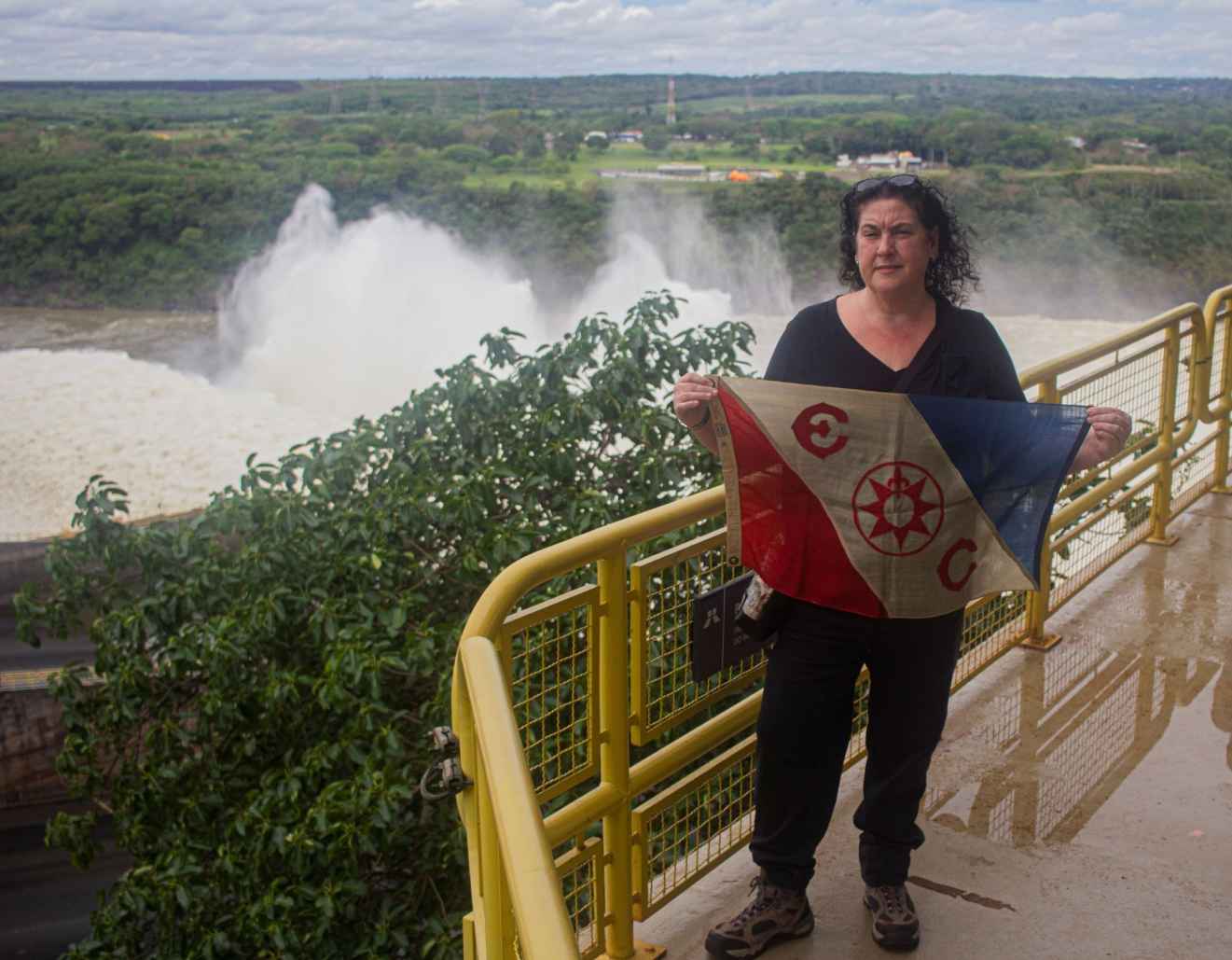
The Human Resilience Project examines how land, education, and spiritual life sustain an Avá Guaraní community through displacement
SEATTLE - EntSun -- Acceptance is often associated with resilience. But findings from The Human Resilience Project's (THRP) latest expedition suggest that the relationship is more complicated when people believe the circumstances causing their hardship can still be changed.
Led by Constance Scharff, PhD, the October 3–17 expedition examined how members of Paraguay's Avá Guaraní Paranaense Tekoha Sauce community maintain identity and wellbeing following displacement connected to the Itaipú hydroelectric project. Researchers completed nine semi-structured interviews while in the field with community and spiritual leaders, educators, and young people near Laurel, Canindeyú.
The expedition was the fourth in THRP's planned ten-site inquiry into how communities sustain meaning and belonging under adversity. Earlier fieldwork identified acceptance of change as one contributor to resilience. In Paraguay, participants described a different response: maintaining cultural life while continuing to seek a return to ancestral territory.
"The central adversity is not that change must be endured, but an unresolved dispossession that community members believe was unjust and remains potentially correctable," Scharff writes in the expedition report.
More on EntSun News
Participants distinguished between territory submerged by the reservoir and land taken in connection with the project that remains above water. That distinction helps explain why they regard displacement as an unresolved situation rather than a completed historical event.
What Sustains a Community
The research identified four interconnected themes, interpreted within the community's particular cultural context. Italicized words are Guaraní.
More on EntSun News
Strengths and Unresolved Difficulties
The report also documents challenges within the community. Younger participants said their views received insufficient attention from leadership. Researchers observed women sometimes being interrupted, and accounts of interrupted university study raised questions about educational opportunity. Cultural strength, the report notes, does not mean a community is free of conflict or material hardship.
The findings suggest that researchers and practitioners should consider relationships, cultural continuity, and attachment to place alongside individual coping. The report also recommends a transparent, community-participatory process addressing ancestral land restitution and reparative measures, including meaningful participation by women and young people.
The study is qualitative and reflects nine volunteers, not the entire community or all Avá Guaraní people. Severe weather limited access, and similarities in some responses suggested possible preparation before interviews. The findings do not establish universal principles or clinical treatment outcomes.
Like the previous three expeditions, the expedition in Paraguay carried Explorers Club Flag 12 and a Rolex Expedition watch.
About The Human Resilience Project
Led by Constance Scharff, PhD, THRP studies how communities preserve meaning, belonging, and wellbeing under adversity. Its first four expeditions have included the Gabra of Kenya, Māori communities in Aotearoa/New Zealand, Iñupiat communities in Alaska, and the Avá Guaraní Paranaense Tekoha Sauce community in Paraguay.
Led by Constance Scharff, PhD, the October 3–17 expedition examined how members of Paraguay's Avá Guaraní Paranaense Tekoha Sauce community maintain identity and wellbeing following displacement connected to the Itaipú hydroelectric project. Researchers completed nine semi-structured interviews while in the field with community and spiritual leaders, educators, and young people near Laurel, Canindeyú.
The expedition was the fourth in THRP's planned ten-site inquiry into how communities sustain meaning and belonging under adversity. Earlier fieldwork identified acceptance of change as one contributor to resilience. In Paraguay, participants described a different response: maintaining cultural life while continuing to seek a return to ancestral territory.
"The central adversity is not that change must be endured, but an unresolved dispossession that community members believe was unjust and remains potentially correctable," Scharff writes in the expedition report.
More on EntSun News
- Phinge Corporation Engages Sheridan Ross PC for Certain Intellectual Property Matters
- Alan Hamilton of Shiver Hamilton Campbell Inducted as a Fellow of the American College of Trial Lawyers
- Slotozilla Hosts Exclusive Halloween Casino Bonuses for 2026
- "BROOKLYN, BROOKLYN, BROOKLYN" children's book and official YouTube channel launch on October 27th
- Expanding Into Medically Supervised Wellness With Major Apollo Wellness Centers Announcement; Sibannac, Inc. (Stock Symbol: SNNC)
Participants distinguished between territory submerged by the reservoir and land taken in connection with the project that remains above water. That distinction helps explain why they regard displacement as an unresolved situation rather than a completed historical event.
What Sustains a Community
The research identified four interconnected themes, interpreted within the community's particular cultural context. Italicized words are Guaraní.
- Oga apua (uplifting the home): Prayer, ritual, family, language, and memory help sustain an inner and spiritual home during displacement.
- Tekoha and y (land and water): Participants described their forest, ancestral burial places, and the Alto Paraná River as essential to identity and spiritual life, rather than interchangeable with similar places elsewhere.
- Mbo'ekaturã (teaching and cultural continuity): Bilingual Guaraní–Spanish books and an Indigenous-based curriculum help children prepare for wider society while maintaining their heritage.
- Teco (justice and harmony): Participants connected wellbeing to resolving the loss of ancestral territory. Grief and anger could sustain memory and purpose alongside hope.
More on EntSun News
- FAN EXPO Portland Returns January 29-31, 2027; Colin O'Donoghue, Hocus Pocus Stars First in Lineup
- Nextlink Internet Deploys netElastic to Modernize Its Hybrid Broadband Network
- MetroLagoons to host Lagoonside Markets Nov. 1 and Nov. 29
- Mandy Barnett to perform Patsy Cline's timeless music at the Weinberg Center next month
- Jacksonville Musician Advances in National Competition While Spotlighting Music's Role in Healing
Strengths and Unresolved Difficulties
The report also documents challenges within the community. Younger participants said their views received insufficient attention from leadership. Researchers observed women sometimes being interrupted, and accounts of interrupted university study raised questions about educational opportunity. Cultural strength, the report notes, does not mean a community is free of conflict or material hardship.
The findings suggest that researchers and practitioners should consider relationships, cultural continuity, and attachment to place alongside individual coping. The report also recommends a transparent, community-participatory process addressing ancestral land restitution and reparative measures, including meaningful participation by women and young people.
The study is qualitative and reflects nine volunteers, not the entire community or all Avá Guaraní people. Severe weather limited access, and similarities in some responses suggested possible preparation before interviews. The findings do not establish universal principles or clinical treatment outcomes.
Like the previous three expeditions, the expedition in Paraguay carried Explorers Club Flag 12 and a Rolex Expedition watch.
About The Human Resilience Project
Led by Constance Scharff, PhD, THRP studies how communities preserve meaning, belonging, and wellbeing under adversity. Its first four expeditions have included the Gabra of Kenya, Māori communities in Aotearoa/New Zealand, Iñupiat communities in Alaska, and the Avá Guaraní Paranaense Tekoha Sauce community in Paraguay.
Source: The Human Resilience Project
0 Comments
Latest on EntSun News
- CTown Sounds Is Announcing the Upcoming Release of Various Artists Volume 1, November 2026
- Former Protection Agent Launches AI-Produced Action Series "Mason Crowe"
- High Rise 6: Power to Escape Set for February 24, 2027 Premiere in El Dorado Hills, California
- Sam Daniels Partners with RM Records; New Single and Music Video "I Don't Give" Out October 30 via Virgin Music Group
- Terrik Saint Claire Explores the Global Reach of Sports Law in New Handbook
- 2027 Health Insurance Open Enrollment
- Gahl Sasson Releases "Agents of Chaos & Angels of Change: The Astrology of 2027
- PrimeStyleAI Unveils Agentic Fashion Commerce Ecosystem With Intelligent Sizing and Virtual Try-On
- Different Worlds. Different Genres. One Creative Point of View
- A British Voice Announces 'Editorially Speaking,' Streaming This Fall on Tubi and Roku
- Fifty Years After Arriving at 17, Jacob "Jay" Adoni Looks Back on a New York Career
- Marc Yaffee Headlines Friday November 20 at Talking Stick Resort
- Tek84 Unveils New Brand Identity Built to Magnify What Security Officers Can Do
- The Return of Plaza México's 'Paseo de Las Estrellas' Honoring Recording Artist Majo Aguilar
- CoreVar Announces Cooking with AI, an Eight-Topic Live Webinar Series
- Queen of NOC Expands Coaching Services to Make Numerology-Based Guidance More Accessible
- Yvonne Sullivan Announces 72-Hour Flash Sale Featuring the Expanded NOC Divination System Guide
- Isee Hair Introduces New Feather Wigs for Lightweight, Comfortable Everyday Styling
- Mr Hospital Bed Cites Hill Rom Hospital Bed Models Best Value Home Care Hospital Beds 2026
- Loudoun Ballet Performing Arts Company brings The Nutcracker to the Weinberg Center this December